
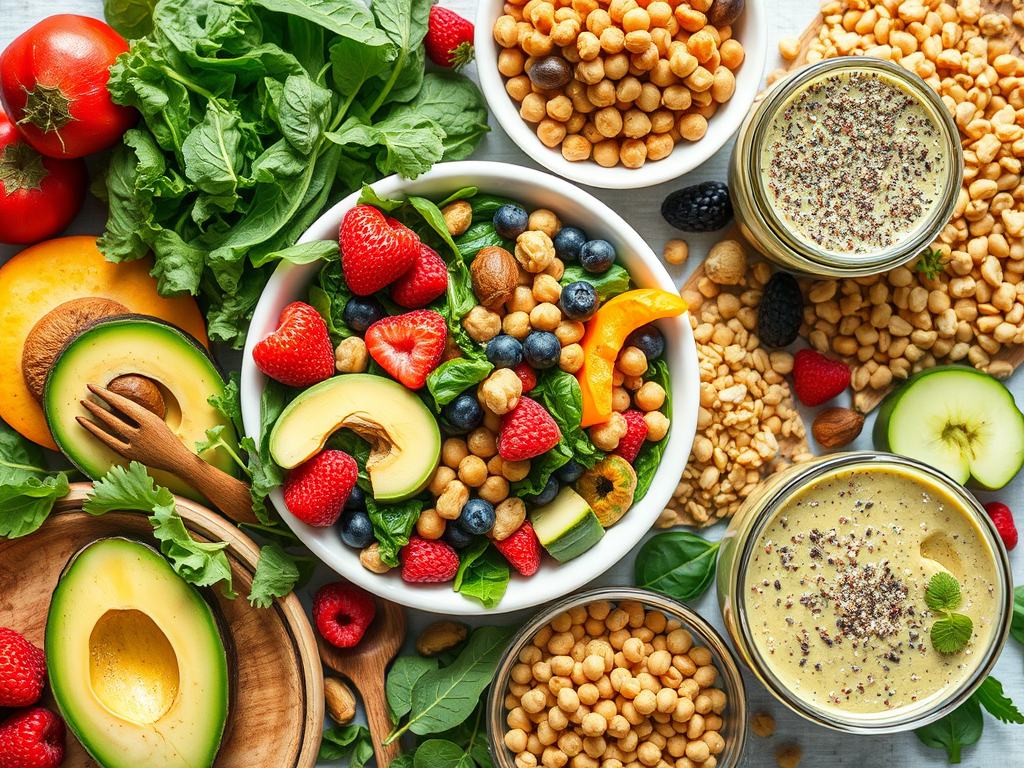
Eating a balanced diet rich in whole foods is vital for maintaining good health and overall well-being. Whole foods are minimally processed and retain most of their natural nutrients. Incorporating a variety of these foods into your meals not only provides essential nutrients but also supports long-term health. Foods such as fruits, vegetables, whole grains, nuts, seeds, and legumes should top the lists of healthful options.
One of the most nutritious food groups is vegetables. Leafy greens like kale and spinach are loaded with vitamins A, C, and K, as well as antioxidants that help combat oxidative stress. Consider trying a simple sautéed greens dish with garlic and olive oil. This dish is quick to prepare and can serve as a side or a main meal when paired with whole grains.
Fruits are another essential category that can greatly boost your health. Berries, especially blueberries and strawberries, are high in fiber and antioxidants. They can be added to breakfast smoothies or made into a delicious berry compote for drizzling over yogurt or whole grain pancakes. For a refreshing treat, try a fruit salad with a squeeze of lime juice, which enhances flavor while providing hydration.
Whole grains, such as quinoa, brown rice, and oats, are fantastic sources of fiber and protein. Quinoa can be cooked as a base for a hearty salad, mixed with roasted vegetables, and topped with a lemon-tahini dressing. Overnight oats, made from rolled oats soaked in yogurt or milk with your choice of toppings, are a great option for a nutrient-packed breakfast.
Nuts and seeds are small but mighty in nutritional value. Almonds, walnuts, chia seeds, and flaxseeds provide healthy fats, protein, and omega-3 fatty acids. You can create a trail mix or incorporate them into baked goods for added crunch and nutrition. Chia seed pudding can also be made by soaking chia seeds in almond milk overnight, resulting in a creamy, nutritious snack.
Legumes, including lentils, chickpeas, and black beans, are excellent sources of plant-based protein and fiber. A simple lentil soup can be made by simmering lentils with vegetables and seasonings, creating a hearty meal that’s both filling and nutritious. Chickpeas can be roasted with spices for a crunchy snack or blended into hummus, perfect for dipping with veggies.
Healthy fats are crucial for brain health and hormone production. Avocados are a fantastic source of monounsaturated fats and add creaminess to dishes. Try making guacamole as a dip, or simply slice it onto whole-grain toast with a sprinkle of salt and pepper for a satisfying breakfast or snack.
Fermented foods like yogurt, kefir, and sauerkraut are beneficial for gut health due to their probiotic content. A homemade smoothie with yogurt, spinach, and a banana can serve as a perfect breakfast or post-workout snack. Alternatively, adding kimchi to stir-fry dishes can lend a spicy kick and improve digestion.
Herbs and spices, often overlooked, not only enhance the flavor of meals but also offer various health benefits. Turmeric, for instance, contains curcumin, which has anti-inflammatory properties. You can add turmeric to curries, or make a golden milk beverage by mixing it with coconut milk and a sweetener of your choice.
Incorporating a diverse range of whole foods into your diet can significantly impact your health. By experimenting with different recipes and trying new ingredients, you can enjoy a plethora of flavors while nourishing your body. This approach fosters a sustainable lifestyle that values health and wellness.
Cheers to good health!
Dr. Rev. Jenine Marie Howry
References:
- Pollan, M. (2008). In defense of food: An eater’s manifesto. Penguin Press.
- Michalak, J. (2018). The role of fruit and vegetables in a healthy diet. Journal of Nutritional Science, 7, e9. doi:10.1017/jns.2018.5
- Willett, W., & Rockström, J. (2017). Resetting the Food System: The Essential Role of Whole Foods. World Resources Institute.
 Life Lessons by Jenine Marie