
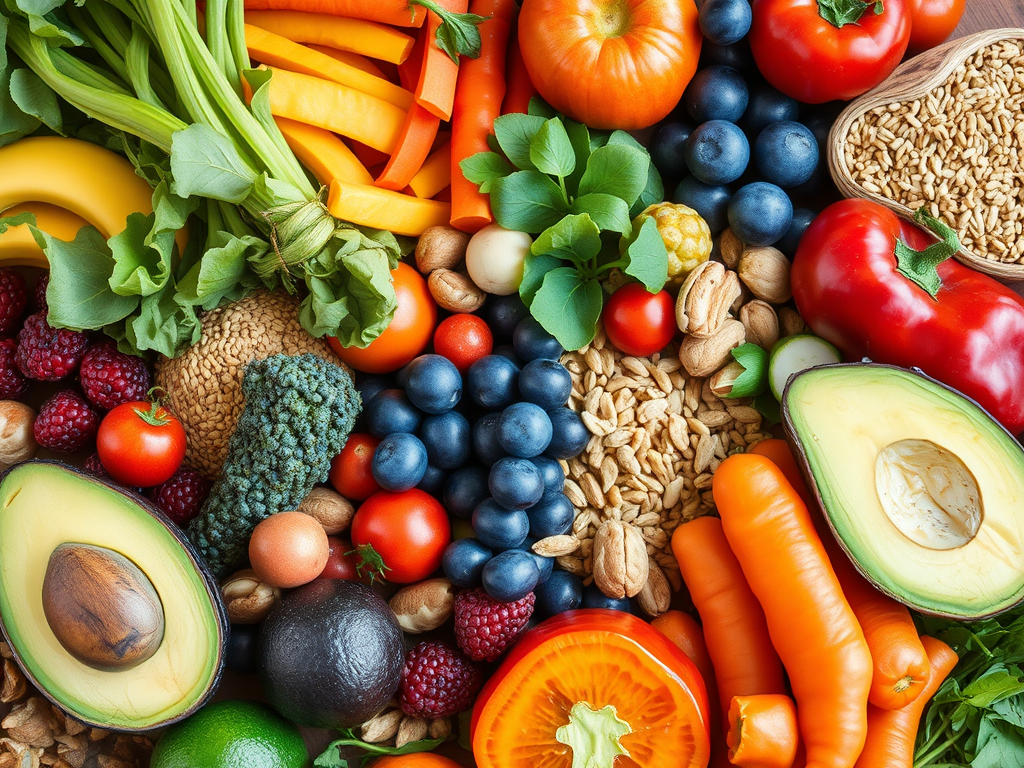
A nutritionally dense diet focuses on providing the maximum amount of nutrients for the minimum amount of calories, supporting overall health and well-being. This approach emphasizes whole foods over processed foods and includes a variety of food groups.
Key Components of a Nutritionally Dense Diet
- Fruits and Vegetables: Aim for a variety of colors and types. They are high in vitamins, minerals, and antioxidants which help reduce the risk of chronic diseases and promote overall health.
- Whole Grains: Foods like brown rice, quinoa, and whole grain bread are rich in fiber, B vitamins, and essential minerals, contributing to digestive health and better blood sugar control.
- Lean Proteins: Sources include fish, poultry, legumes, nuts, and seeds. These foods provide essential amino acids necessary for muscle growth, repair, and overall bodily functions.
- Healthy Fats: Include sources like avocados, olive oil, nuts, and fatty fish, which provide omega-3 fatty acids beneficial for heart health and brain function.
- Dairy or Dairy Alternatives: Low-fat or fat-free options provide calcium, vitamin D, and protein, essential for bone health.
Importance of a Nutritionally Dense Diet
- Chronic Disease Prevention: A diet rich in nutrients helps mitigate the risk of diseases such as obesity, diabetes, cardiovascular disease, and certain cancers.
- Weight Management: Nutrient-dense foods are typically lower in calories and can help in maintaining a healthy weight while providing satiety.
- Energy Levels: Consuming the right balance of macronutrients ensures sustained energy throughout the day.
- Mental Health: Certain nutrients can improve mood and cognitive functions, leading to better mental health outcomes.
Conclusion
Adopting a nutritionally dense diet helps furnish the body with essential nutrients necessary for optimal health and disease prevention. By prioritizing whole foods and a variety of food groups, individuals can enhance their overall well-being and vitality.
** Please seek out latest and most updated dietary information as of 2026 for optimal health.
** This information is not meant to replace medical advice from your personal physician. Please consult your medical team for what is best for your health.
Dr. Rev. Jenine Marie Howry
References – Seek out the most updated information for 2026
Centers for Disease Control and Prevention. (2020). Nutrition. https://www.cdc.gov/nutrition/index.html
Harvard T.H. Chan School of Public Health. (n.d.). The Nutrition Source: Healthy Eating Plate. https://www.hsph.harvard.edu/nutritionsource/healthy-eating-plate/
U.S. Department of Agriculture. (2020). Dietary Guidelines for Americans 2020-2025. https://www.dietaryguidelines.gov/
World Health Organization. (2020). Healthy diet. https://www.who.int/news-room/fact-sheets/detail/healthy-diet
 Life Lessons by Jenine Marie