
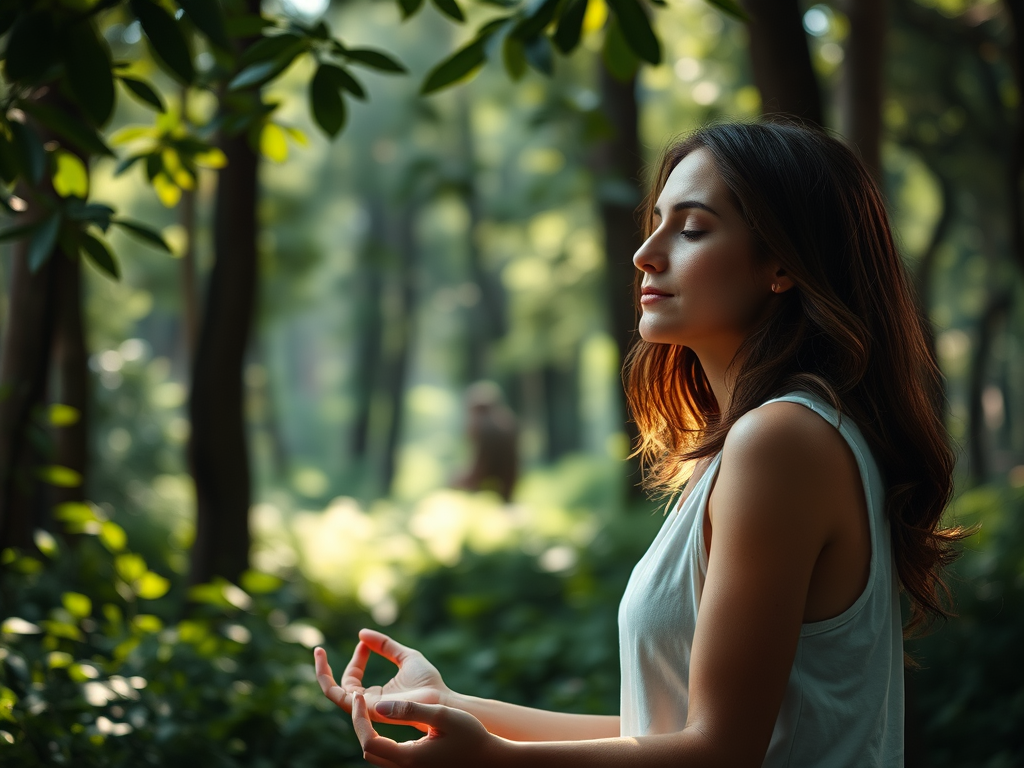
Mindfulness and nature share a profound relationship that can provide solace and tranquility to our busy lives. When we immerse ourselves in natural surroundings, whether it’s a lush forest, a tranquil beach, or a serene park, we often find a sense of calm that can feel elusive in our day-to-day routine. The gentle rustling of leaves, the soft chirping of birds, and the vibrant colors of flowers can bring our awareness back to the present moment, allowing us to experience the world fully. This connection to nature not only calms our racing thoughts but also encourages us to appreciate the beauty around us, fostering a sense of gratitude and peace within.
Spending time in nature invites us to pause and breathe deeply, anchoring ourselves in the here and now. This practice of mindful awareness can quiet the mind and soothe the soul, creating a serene sanctuary from life’s chaos. Many people find that the act of walking in a natural setting becomes a form of meditation itself. Each step taken on the soft earth or the sound of water flowing nearby can serve as a gentle reminder to release stress and embrace stillness, allowing our spirit to reconnect with the rhythm of the world. By integrating mindfulness into our time spent outdoors, we cultivate a deeper appreciation for the simple, yet profound, experiences that nurture our souls.
On the other hand, mindful meditation is a powerful tool for managing anxiety. By practicing mindfulness, we learn to observe our thoughts and feelings without judgment, which can be incredibly liberating. In moments of anxiety, our minds tend to spiral and create narratives that foster fear and worry. Through mindful meditation, we can recognize these patterns and gently redirect our focus, returning to the simplicity of our breath or the sensations in our body. This practice not only helps to reduce the overwhelming feelings of anxiety but also fosters resilience, allowing us to navigate challenges with a calmer perspective.
Regularly engaging in mindful meditation teaches us to engage with our internal landscape, examining our thoughts without getting caught up in them. As we cultivate this sense of awareness, we may notice a shift in how we respond to anxiety triggers in our daily lives. Instead of reacting impulsively, we can create space for thoughtful responses that are rooted in mindfulness and understanding. Over time, this can lead to a profound transformation in our mental and emotional well-being, paving the way toward more peaceful living.
To cultivate peace, serenity, and calm within your own life, consider engaging in the following mindful meditation:
- Find a comfortable position — Sit or lie down in a quiet space free from distractions. Close your eyes gently and take a few deep breaths.
- Focus on your breath — Inhale slowly through your nose, allowing your belly to rise. Hold for a moment and then exhale gently through your mouth, releasing any tension. Repeat this breathing for several cycles, bringing your full attention to the rhythm of your breath.
- Visualize a peaceful scene — Picture a serene place in nature, perhaps a forest clearing, a sandy beach, or a mountain vista. Imagine the sights, sounds, and scents of this peaceful environment filling your senses.
- Invite calmness — As you visualize this tranquil scene, mentally affirm to yourself, “I am calm. I am at peace.” Allow these affirmations to resonate within you, fostering a sense of serenity.
- Gradually return — After spending several minutes in this meditative state, gently bring your awareness back to the present moment. Wiggle your fingers and toes, and when you’re ready, open your eyes, carrying this sense of peace with you throughout your day.
Incorporating mindfulness and nature into our daily routines can create a more serene and balanced life, inviting us to navigate the complexities of our existence with grace and calm.
Peace and serenity to you!
Dr. Rev. Jenine Marie Howry

